
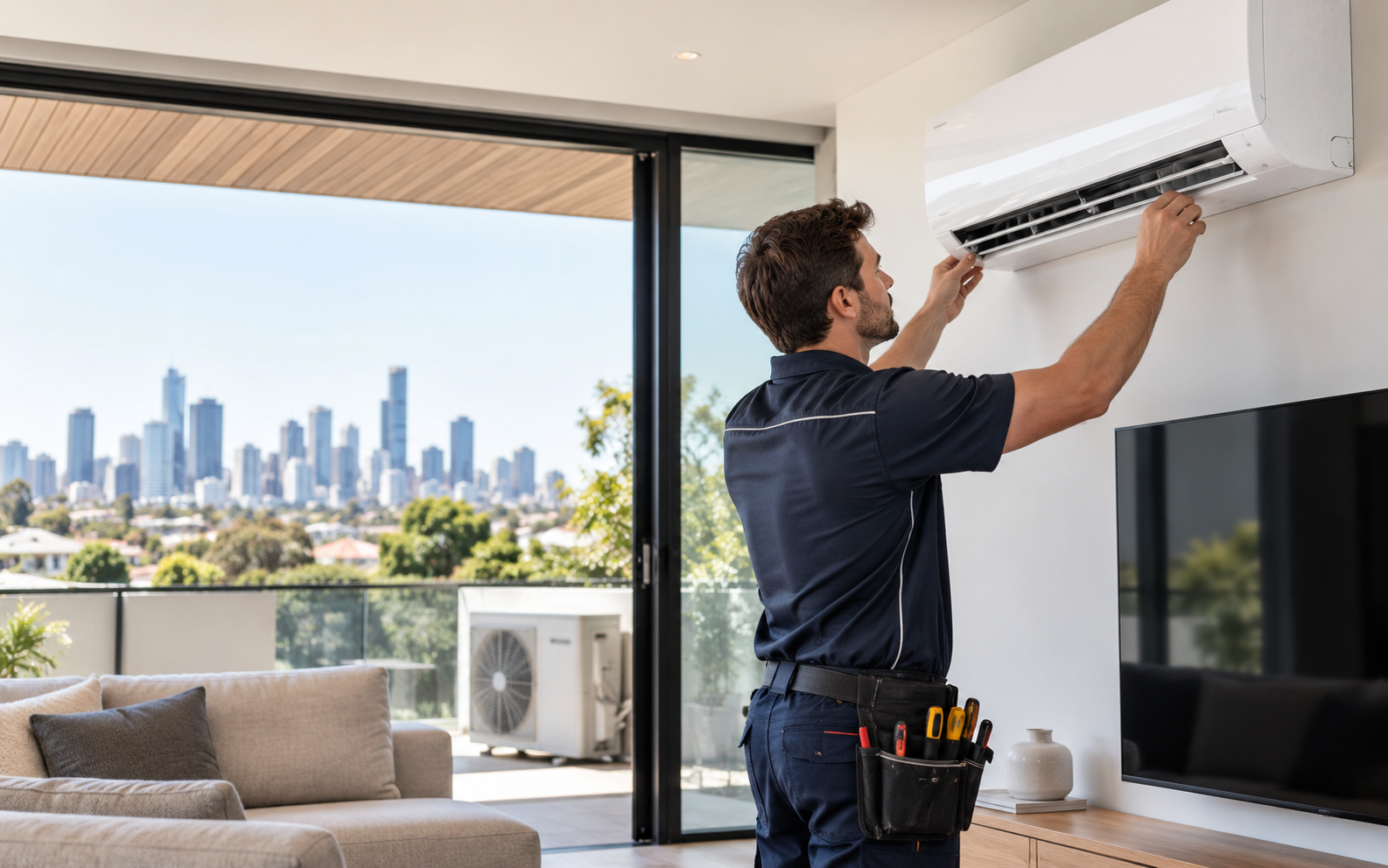
Melbourne’s unpredictable weather makes reliable heating and cooling essential for comfortable living. From scorching summer afternoons to chilly winter mornings, the right air conditioning system can make a significant difference to your home. If you’re planning air conditioning installation Melbourne, choosing an energy-efficient system and professional installation service can help improve comfort and manage your electricity costs. In 2026, Australian homeowners have more options than ever, including reverse cycle air conditioners, inverter split systems and multi-split solutions. Eligible Victorian households may also benefit from government-supported discounts under the Victorian Energy Upgrades (VEU) program. Whether you’re replacing an outdated unit, installing air conditioning in a new home or upgrading to efficient heating and cooling, this guide explains everything you need to know about air conditioning installation Melbourne, including costs, available systems, installation requirements, rebates and expert tips.
Why Air Conditioning Installation Melbourne Is Important in 2026
Melbourne experiences warm summers, cold winters and frequent temperature changes. A reliable air conditioning system helps maintain indoor comfort throughout the year. Modern reverse cycle air conditioners provide both heating and cooling, reducing the need for separate appliances. Professional air conditioning installation Melbourne offers several advantages:
Year-round comfort: Enjoy effective cooling during summer and efficient heating throughout winter.
Improved energy efficiency: Modern inverter systems can adjust their output to match your heating and cooling requirements.
Better temperature control: Maintain comfortable temperatures in bedrooms, living areas and other frequently used spaces.
Reduced running costs: Choosing an appropriately sized, efficient system can help lower energy consumption compared with older or inefficient alternatives.
Smart convenience: Selected systems offer Wi-Fi connectivity, timers and programmable temperature controls.
Long-term reliability: Correct installation and regular maintenance support efficient operation and system longevity.
Choosing the right system is especially important for households looking to replace older gas heating or inefficient electric appliances.
Types of Air Conditioning Systems Available in Melbourne
Understanding your options is an important first step when planning air conditioning installation Melbourne. Different properties require different heating and cooling solutions depending on room size, floor layout, insulation, occupancy and budget.
1. Split System Air Conditioning
Split system air conditioners are a popular option for Australian homes.
A typical split system includes an indoor unit that distributes conditioned air and an outdoor unit containing the compressor and other components.
Benefits of split system air conditioning:
Suitable for bedrooms, living rooms and individual zones.
Available in energy-efficient reverse cycle models.
Relatively straightforward installation for suitable properties.
Independent temperature control for individual rooms.
A wide selection of capacities and features.
Split systems can be a practical solution for apartments, smaller homes, home offices and households that only need selected rooms heated or cooled.
2. Multi-Split System Air Conditioning
A multi-split system connects multiple indoor units to a compatible outdoor unit.
This arrangement can be suitable for homes requiring temperature control in several rooms without installing a separate outdoor compressor for every indoor unit.
Advantages include:
Heating and cooling multiple rooms.
Flexible indoor unit configurations.
Individual room temperature settings on compatible systems.
Less outdoor-unit space required than several separate single-split systems.
Multi-split systems are worth considering for townhouses and properties where outdoor space is limited. However, compatibility, installation complexity and simultaneous heating or cooling requirements should be reviewed before purchasing.
3. Ducted Reverse Cycle Air Conditioning
Ducted reverse cycle systems provide centralised heating and cooling through ducts and vents installed throughout a property.
These systems can be suitable for larger homes requiring whole-home climate control.
Key features can include:
Heating and cooling across multiple rooms.
Discreet ceiling or floor vents.
Central temperature controls.
Zoning options for compatible installations.
Ducted systems generally require more extensive installation work and a higher initial investment than a single room split system.
The best choice depends on the property, installation requirements and long-term heating and cooling needs.
Air Conditioning Installation Melbourne Costs in 2026
One of the most common questions homeowners ask is: How much does air conditioning installation cost in Melbourne? The answer depends on system capacity, brand, building layout, installation complexity and any necessary electrical work. The following table provides indicative 2026 Melbourne market prices for split systems supplied and professionally installed.
| Split system capacity | Indicative installed price |
|---|---|
| 2.5kW | $1,250–$2,625 |
| 3.5kW | $1,475–$2,950 |
| 5.0kW | $1,900–$3,675 |
| 7.0kW | $2,300–$4,725 |
These are indicative Melbourne market ranges, including GST, not fixed Eco Works Australia prices. Multi-split and ducted systems require separate estimates. Final quotes can vary substantially, and rebate treatment must be confirmed.
What Affects Air Conditioning Installation Melbourne Pricing?
Several factors can influence the total cost of a new installation.
1. System size and capacity Larger heating and cooling requirements generally call for higher-capacity equipment, which can increase the purchase price.
2. Installation location Installing an indoor unit on a suitable external wall is often simpler than an installation requiring lengthy refrigerant pipe runs, roof access or extensive wall modifications.
3. Electrical requirements Some properties may need additional electrical circuits, isolation equipment or switchboard modifications.
4. Air conditioning brand and features Higher-efficiency systems, smart controls, advanced filtration and premium equipment may influence the overall price.
5. Existing system removal Replacing an older air conditioner can involve safe refrigerant recovery, equipment removal and disposal costs.
6. Government discounts Eligible Victorian Energy Upgrades incentives may reduce the amount customers pay, depending on the applicable installation and program requirements.
For accurate air conditioning installation Melbourne pricing, homeowners should request an itemised quotation that clearly identifies equipment, labour, inclusions, possible additional charges and applicable rebates.
How to Choose the Right Air Conditioner Size for Your Melbourne Home
Air conditioner capacity is usually measured in kilowatts (kW). Correct sizing plays an important role in comfort and energy efficiency. An undersized system may struggle during temperature extremes, while an oversized system can lead to unnecessary purchase costs and inefficient operation. The Victorian Government provides the following general guidance based on heating output.
| Room size | Recommended heating output |
|---|---|
| Up to 20m² | 2.5–3kW |
| 21–40m² | 3–5kW |
| 41–60m² | 5–8kW |
| Over 60m² | More than 8kW |
These figures are general guidance, not a substitute for a professional heat-load assessment. Heating capacity may differ from a system’s advertised cooling capacity.
Air Conditioning Installation Melbourne: Selecting the Correct Capacity
Before selecting a unit, consider:
Room dimensions and ceiling height.
Insulation quality and draughts.
Number and size of windows.
Sun exposure and building orientation.
Number of occupants.
Appliances that generate heat.
Whether doors to adjoining rooms remain open.
Melbourne’s seasonal heating and cooling requirements.
For example, a small bedroom with good insulation may need considerably less heating and cooling capacity than a large open-plan living area with extensive glazing.
Air Conditioning Installation Melbourne: Why a Professional Assessment Matters
A professional assessment considers more than the floor area of a room. The installer should evaluate the building’s construction, window orientation, insulation, airflow and expected heating and cooling demand before recommending a suitable system. This helps prevent common sizing mistakes and supports more consistent indoor comfort.
Understanding Victorian Government Air Conditioning Rebates in 2026
Eligible Victorian households can receive discounts on certain energy-efficient heating and cooling installations through the Victorian Energy Upgrades (VEU) program. The program encourages the adoption of approved high-efficiency technologies to reduce energy use and greenhouse gas emissions. For homeowners considering air conditioning installation Melbourne, these incentives may help reduce upfront costs.
Who Can Qualify for VEU Air Conditioning Discounts?
Victorian households, businesses and private rental properties can participate in the program, although the available incentive depends on the type of upgrade. Eligibility and the discount amount may depend on:
The existing heating or cooling equipment.
Whether an eligible appliance is being removed or replaced.
The replacement air conditioner’s specifications.
Whether the product is approved under the VEU program.
The accredited provider responsible for the discount.
Current program rules and installation requirements.
How Much Can You Save With VEU?
According to Victorian Government guidance available in 2026, examples of indicative household discounts include:
$630–$1,610 for eligible replacement of a non-ducted gas heater with an efficient room reverse cycle system.
Up to $5,530 for certain eligible replacements of ducted gas heating with ducted reverse cycle air conditioning.
$70–$140 for some approved room reverse cycle installations without removal of an existing appliance.
These are conditional incentives, not guaranteed discounts for every customer. Program changes effective from 30 September 2026 also affected incentive calculations and minimum customer contributions for certain multi-split and ducted installations. Customers should check the current requirements before accepting a quote.
How to Apply for an Air Conditioning Rebate
The typical process involves:
Discussing your heating and cooling requirements with an installer or accredited provider.
Checking the existing equipment and proposed system against current eligibility requirements.
Selecting an approved high-efficiency product.
Receiving a written quote showing the applicable discount.
Arranging installation through an authorised provider or its installation partner.
Completing the necessary installation documents and rebate paperwork.
VEU discounts are generally arranged through an accredited provider rather than claimed independently after installation. For official eligibility details, visit the Victorian Government heating and cooling discounts page.
Professional Air Conditioning Installation Melbourne: Step-by-Step Process
Understanding the installation process can help homeowners make informed decisions and prepare their property.
Step 1: Initial Home Assessment
A technician or energy adviser reviews the areas requiring heating and cooling. This assessment considers room sizes, insulation, electrical requirements, equipment placement and individual comfort preferences.
Step 2: System Selection and Quotation
The installer recommends an appropriate air conditioning system and provides an estimate covering the proposed equipment and installation. The quotation should clearly identify any conditions that could affect the final cost.
Step 3: Rebate Eligibility Check
Where relevant, the installer or accredited provider checks whether the proposed upgrade qualifies for a government-supported discount. This should happen before the work begins.
Step 4: Professional Installation
Qualified tradespeople complete the applicable installation work, which may involve:
Positioning the indoor and outdoor units.
Installing refrigerant pipework and drainage.
Completing appropriate electrical connections.
Checking pipework, insulation and equipment positioning.
Conducting required safety and commissioning tests.
The exact work depends on the chosen system and property conditions.
Step 5: Testing and Handover
After installation, the technician should confirm that the system operates correctly in the required modes. Customers should also receive relevant operating instructions, warranty information and applicable compliance documentation. A properly commissioned system helps support comfort, reliability and efficient performance.
Energy Efficiency Benefits of Modern Reverse Cycle Air Conditioning
Energy efficiency is a major consideration for homeowners looking to manage household electricity consumption. Reverse cycle systems use electricity to transfer heat rather than relying solely on electric resistance heating. Depending on the existing appliance, home and usage patterns, this can provide a more efficient heating and cooling solution.
Why Inverter Technology Matters
Inverter technology allows a compatible air conditioner to adjust compressor output according to heating and cooling demand. Rather than repeatedly operating at maximum output, the system can vary its capacity to help maintain the selected indoor temperature. This may provide smoother temperature control and improved energy efficiency compared with older fixed-speed equipment.
Check the Zoned Energy Rating Label
Australia’s Zoned Energy Rating Label helps consumers compare the efficiency of eligible air conditioners. When comparing compatible systems, consider:
Heating and cooling star ratings.
Estimated annual electricity consumption.
Performance in the relevant climate zone.
Indoor and outdoor noise ratings.
Rated heating and cooling capacity.
Melbourne homeowners should pay particular attention to winter heating performance as well as summer cooling efficiency.
Simple Ways to Improve Air Conditioning Efficiency
Even an efficient air conditioning system can use more electricity than necessary if operated poorly.
Useful habits include:
Keeping filters clean according to manufacturer instructions.
Closing doors and windows while heating or cooling.
Using curtains or blinds to limit unwanted heat gain.
Avoiding unnecessarily extreme thermostat settings.
Using timers and scheduling where appropriate.
Maintaining insulation and sealing obvious draughts.
Arranging servicing when required.
The combination of appropriate equipment, good installation and responsible operation can help manage long-term energy costs.
How to Choose a Reliable Air Conditioning Installer in Melbourne
Choosing a qualified installer is as important as selecting the equipment itself. Poor installation can contribute to refrigerant leaks, drainage problems, reduced performance and avoidable maintenance costs.
1. Appropriate Licences and Qualifications
Refrigerant handling must be completed by a technician holding the appropriate Australian Refrigeration Council licence. Electrical and other regulated installation work must also be undertaken by appropriately licensed or registered tradespeople. Ask the installer to confirm the licences relevant to your installation.
2. Installation Experience
Choose an installation provider familiar with residential air conditioning requirements, including correct sizing, equipment positioning and commissioning.
3. Transparent Written Quotes
A detailed quotation should explain what is included and identify potential additional charges. Ask whether the price covers electrical work, pipework, drainage, mounting, commissioning, removal of existing equipment and GST.
4. Equipment and Installation Warranties
Review the warranty terms for both the air conditioning unit and the installation workmanship. Some warranties contain servicing or maintenance conditions.
5. Government Rebate Knowledge
For installations involving VEU discounts, confirm the accredited provider and applicable eligibility requirements.
6. Customer Support
A professional installer should explain the proposed system, answer questions and provide appropriate after-installation information. Comparing written quotes can help homeowners make a more informed decision.
Common Air Conditioning Installation Mistakes to Avoid
Planning carefully can prevent unnecessary spending and poor performance.
Choosing based on price alone The cheapest system is not always the most suitable. Consider efficiency, capacity, warranty coverage and installation quality.
Installing an incorrectly sized air conditioner A system that is too large or too small can reduce comfort and efficiency.
Ignoring the outdoor unit location Outdoor units need appropriate ventilation and access, and their noise may affect neighbouring properties.
Overlooking electrical requirements Confirm whether the installation requires additional electrical work before approving the quotation.
Assuming every installation qualifies for rebates Government discounts depend on specific eligibility criteria and approved products.
Not checking final installation inclusions Ensure the agreed scope covers all necessary work and specifies who is responsible for compliance paperwork and equipment disposal. Avoiding these mistakes can make the air conditioning installation Melbourne process more straightforward and help protect your investment.
Why Consider Eco Works Australia for Your Air Conditioning Needs?
At Eco Works Australia, the focus is on energy-efficient air conditioning solutions designed to suit Australian homes. The business offers system recommendations, free assessments and assistance with understanding applicable rebate opportunities.When considering a home heating and cooling upgrade, customers can explore:
Energy-efficient air conditioning solutions.
Different system capacities for residential spaces.
Home assessments to identify suitable equipment.
Guidance on potential government rebate eligibility.
Installation quotations based on individual requirements.
Eco Works Australia aims to help customers make informed decisions about comfort, system efficiency and installation costs. If you’re comparing options for air conditioning installation Melbourne, requesting an assessment is a practical way to explore suitable systems and understand the expected installation cost.
Frequently Asked Questions About Air Conditioning Installation Melbourne
How Much Does Air Conditioning Installation Cost in Melbourne?
A single split system supplied and installed can cost approximately $1,250–$4,725 for common residential capacities, based on indicative 2026 Melbourne market ranges. Prices depend on the system size, model and installation requirements. Larger or more complex installations may cost more.
What Is the Best Air Conditioner for Melbourne Weather?
An appropriately sized, high-efficiency reverse cycle air conditioner is often a practical choice because it provides both heating and cooling. The best model depends on the property, room dimensions, insulation and household requirements.
Can I Get a Government Rebate for Air Conditioning Installation in Victoria?
Potentially. Eligible installations of approved reverse cycle systems may qualify for discounts through the Victorian Energy Upgrades program. Your available discount depends on the existing equipment, replacement system and current program requirements.
How Long Does Split System Air Conditioning Installation Take?
A straightforward single split system installation may be completed within several hours or a working day. Complex pipework, electrical upgrades, multi-split configurations and difficult access can extend the installation time. Your installer should provide a realistic schedule after assessing the property.
Is Reverse Cycle Air Conditioning Expensive to Run?
Running costs depend on the system’s efficiency, electricity tariff, climate, insulation, temperature settings and usage hours. A modern high-efficiency reverse cycle system can be an economical heating and cooling option, particularly when replacing inefficient equipment.
What Size Air Conditioner Do I Need for a Bedroom?
Some smaller bedrooms may suit systems around 2.5–3kW of heating capacity, but the correct size depends on the room and building characteristics. A professional assessment is recommended rather than choosing solely by room area.
Can I Replace Gas Heating With Reverse Cycle Air Conditioning?
Yes. Reverse cycle air conditioning can provide an electric alternative to gas space heating. Depending on your existing system and the proposed installation, an eligible replacement may also qualify for a Victorian Energy Upgrades discount.
Do I Need a Licensed Air Conditioning Installer?
Yes. Refrigerant-related installation work requires the appropriate licence, and other regulated work must be completed by suitably qualified tradespeople. Using properly licensed professionals helps support safety, compliance and reliable operation.
Final Thoughts: Book Air Conditioning Installation Melbourne With Confidence
Choosing the right air conditioning system is an important investment in year-round comfort. From comparing split system options and understanding installation costs to exploring government discounts, careful planning can help homeowners select equipment that meets their needs. The best results come from choosing an appropriately sized, energy-efficient system and arranging installation through qualified professionals. Whether you’re planning a new installation or upgrading existing heating and cooling equipment, Eco Works Australia can help you explore suitable options.
Looking for air conditioning installation Melbourne? Contact Eco Works Australia to discuss your heating and cooling requirements, request a free assessment and enquire about eligible rebate opportunities.
Final prices, product availability and government discounts depend on individual circumstances, current program requirements and a written quotation.